
Expertise provided by intoactionconsulting, M. Craig Jewett
It is late, the house is quiet, and you are at the kitchen table doing math nobody prepared you for. Your adult son or daughter needs help, maybe right now, and underneath every clinical question sits a harder one: can we pay for this without wrecking the family? You have typed how much does rehab cost in Fullerton into a search bar more than once tonight, and every page gives you a national average that says nothing about what you would owe here.
The short version is that insurance usually decides most of what you pay. Rebound Support Group bills Aetna, Cigna, Blue Cross Blue Shield, UnitedHealthcare, Anthem, and Health Net, along with private pay. Before admission, the team verifies your exact plan and documents what it found, so you know your share before your child starts.
Rebound is an outpatient treatment program in Fullerton. It offers intensive outpatient (IOP), standard outpatient (OP), medication-assisted treatment (MAT), the Supportive Living Bridge Program, and alumni and long-term recovery support. This guide covers:
- What separates one level of care from another, and why that changes cost
- How insurance changes the math
- A worked example with every number shown
- What happens when a plan approves less care than your child needs
- The exact questions to ask before admission
You don’t have to have everything figured out today. You only need enough clarity to make the next call without fearing a bill you never saw coming.
Safety comes before money. If your child is in danger right now, is talking about self-harm, or is showing signs of dangerous withdrawal, call 911 or the 988 Suicide and Crisis Lifeline first. Cost questions can wait an hour, but safety can’t.
How Much Does Rehab Cost in Fullerton at Each Level of Care?
The honest answer to how much does rehab cost in Fullerton is that it depends on three things: the level of care, how long your child spends at each level, and what your insurance plan pays. A program can quote a list price, but your plan pays based on its own allowed amount for each service. Your share then depends on your deductible, coinsurance, and out-of-pocket maximum. That is why Rebound Support Group gives families a specific estimate only after benefits verification, rather than a one-size number upfront.
Here is how the levels compare. The ASAM level is the placement category clinicians use to match a person to the right intensity of care, and Rebound uses ASAM-based level-of-care determination for every admission.
| Level of care | ASAM level | Clinical hours per week | Typical schedule | What drives the cost |
|---|---|---|---|---|
| Outpatient (OP) | 1.0 | Up to 9 | A few individual or group sessions per week | Lowest intensity, fewest staff hours |
| Intensive Outpatient (IOP) | 2.1 | 9 to 19 | 3 to 5 days per week, several hours per treatment day | More staff time and closer monitoring |
| Medication-assisted treatment (MAT) | Used alongside IOP or OP | Varies | Medication management visits | Medication and prescriber visits, which may fall under a different benefit |
| Supportive Living Bridge Program | Housing support alongside treatment | Not applicable | Structured sober living | Housing costs, which insurance often does not cover |
Many people do not stay at one level for their whole episode of care. At Rebound, a stay might run about 90 days for one person. Someone might start in IOP while sleep, mood, and cravings are still unsettled, step down to standard outpatient as things stabilize, and then move into alumni support. Because your child spends only part of those 90 days at the most intensive level, the total cost of an episode may be lower than you might expect from looking at IOP alone.
Rebound Support Group does not offer medical detox. If the assessment shows your child needs withdrawal management, the team refers or coordinates that care first, before outpatient treatment begins. The provider who delivers that care bills for it.
This also explains why the national figures feel useless. When a directory quotes a range that swings from a few thousand dollars to tens of thousands a month, it is usually blending live-in programs, detox, and weekly therapy into one number. That number can’t tell you what your family will owe for outpatient care in Fullerton.
Why Does IOP Cost More Than Standard Outpatient?
The price gap between levels comes from clinical structure. It reflects how many days a week your child attends, how many hours each day, and how much direct time clinicians spend with them. It does not come from pools, private rooms, or ocean views.
Every added hour of programming is an hour of clinical staff time. In Rebound Support Group’s IOP, your child is in structured treatment 9 to 19 hours a week, usually 3 to 5 days, with several hours on each treatment day. That time includes:
- Group therapy
- Individual counseling
- Family therapy
- Medication management, when appropriate
Because clinicians see your child several times a week, they may notice changes quickly and adjust the plan in real time. Standard outpatient at Rebound is a few individual or group sessions a week. California’s Drug Medi-Cal Organized Delivery System (DMC-ODS) caps that level at up to 9 clinical hours a week for adults, which is why it carries the lowest intensity and cost.
We don’t price by amenities. We price by clinical intensity. So when you compare Fullerton programs, ask what you are actually paying for. A higher rate that buys more clinical hours and closer monitoring is very different from a higher rate that buys a nicer lobby. Ask any program how many clinical hours per week your child will get at each level, because that one question tells you more than a brochure.
Here is what intensity looks like in practice. Suppose your daughter has been drinking to quiet panic attacks at night, her sleep is broken, and her anxiety spikes every evening. A single weekly session would leave six days with no one checking whether her anxiety is driving her back to alcohol. Meeting several days a week early on lets Rebound’s clinicians track sleep, mood, triggers, and cravings together, and then step her down once that pattern loosens. As her stability rises, her intensity drops, and so does her cost.
Will Your Insurance Actually Pay, and What Will You Owe?
Rebound Support Group accepts Aetna, Cigna, Blue Cross Blue Shield, UnitedHealthcare, Anthem, and Health Net, along with private pay. What you owe depends on your specific plan, and Rebound confirms these details before admission:
- The deductible
- Coinsurance or copay
- The out-of-pocket maximum
- Network status
- Authorization rules
Two families can hold cards from the same insurer and still owe very different amounts. One plan might have a high deductible you pay in full before coverage starts, followed by a percentage. Another might charge a flat copay per treatment day. If your child has already had medical bills this year, part of the deductible may already be met.
Rebound’s admissions team sees these differences constantly, even within one insurer. With Blue Cross Blue Shield, there is no broad answer: some policies cover every level Rebound operates, while others exclude standard outpatient entirely. Aetna, by contrast, has generally been straightforward, and Rebound has treated many Aetna members without problems. Still, the only reliable answer for your family comes from checking your exact policy.
If your child is under 26, check your own plan first. Under the Affordable Care Act, adult children can generally stay on a parent’s health plan until age 26, and many parents don’t realize their own card may be the one that covers treatment. Federal mental health parity law also generally means that a plan covering substance use and mental health care cannot apply stricter financial rules to that care than to comparable medical care. Parity does not make treatment free, but it gives you footing if something looks unfair.
Before admission, Rebound Support Group runs the same verification of benefits for every insurer, Cigna and Aetna included. It confirms:
- Whether the plan is active and Rebound is in-network
- Which behavioral health or substance use disorder benefit applies
- The deductible
- Copay or coinsurance
- The out-of-pocket maximum
- Authorization requirements for the specific service
- Initially covered days or hours, and whether concurrent review or a single-case agreement applies
Staff then explain what your family may owe, using the benefit information they actually received rather than a figure quoted from memory. They will also tell you plainly that verification is not a guarantee of payment, because your plan makes the final decision when it processes claims.
What Does a 12-Week Episode Cost a Family With a Deductible Plan?
Numbers are easier to trust when you can see how they add up. In the worked example below, we follow a family through a complete outpatient treatment episode at Rebound, from the first IOP session through the final weeks of standard outpatient. Their plan is already typical of commercial coverage in Orange County: it’s in-network, has moderate cost-sharing, and requires authorization.
The plan design is: $2,500 deductible (not yet met this year), 25 percent coinsurance after the deductible, and a $6,000 out-of-pocket maximum. We assume Rebound’s charges for IOP average about $1,350 per week, and standard outpatient runs about $550 per week. Those numbers are hypothetical, chosen to show the math. They are not Rebound’s rates and not a quote. The structure is what matters.
Here is how costs flow over 12 weeks:
| Phase | Assumed allowed charges | Family pays | Plan pays |
|---|---|---|---|
| IOP, 8 weeks at $1,350 per week | $10,800 | $4,575 ($2,500 deductible + 25% of $8,300) | $6,225 |
| OP, 4 weeks at $550 per week | $2,200 | $550 (25% of $2,200) | $1,650 |
| Total | $13,000 | $5,125 | $7,875 |
Walk through it slowly, because three things in this table matter more than the totals.
Your deductible hits first and fast. For this family, the entire $2,500 deductible lands during the first two weeks of IOP. Until they cross that threshold, they’re paying 100 percent. Once they do, their share drops to 25 percent of every additional dollar.
Coinsurance adds up, but the cap matters. After the deductible, this family pays a quarter of each week’s charges. Over the remaining six weeks of IOP, that’s $2,075. Then, during standard outpatient, they pay another $550. Without an out-of-pocket maximum, their total would climb higher. With a $6,000 cap, they stop owing the moment they hit it, so if this family had any other medical expenses this year, they might pay less than shown here.
The cost is front-loaded. Spread evenly, $5,125 over three months is about $1,700 a month. In reality, most of it arrives in the first month, because the deductible and the most intensive level happen at the same time. If you are budgeting, plan for month one to be the heaviest.
A copay plan works differently. Instead of a percentage, you pay a flat amount per treatment day or session, and the out-of-pocket maximum still caps the year. Your plan may also manage care through concurrent review, where the insurer re-approves care in blocks. That doesn’t change the math above, but it does mean coverage is confirmed in stages rather than all at once. Ask Rebound’s admissions team how many days or hours are approved at the start and when the next review happens.
What If Insurance Approves Less Care Than Your Child Needs?
This is the fear many parents carry quietly. Your child starts treatment, the approved days run out, and you face a choice between a large bill and pulling them out mid-program. You can’t control your insurer’s decision, but you can choose a program that knows how to respond when the decision comes back lower than it should.
When a plan approves a lower level of care, or fewer days, than Rebound Support Group’s assessment recommends, the clinical team does not just resubmit the same request. It sends the documentation the plan asks for and builds a clinical justification that links the assessment findings and the specific ASAM dimensions to the level of care your child may need.
The difference between levels is not about selling more care. It is about matching intensity to safety. Rebound’s clinicians use screening tools to support, not replace, the clinical assessment. They look at:
- Substance use patterns
- Triggers
- Sleep
- Anxiety
- Mood
- Day-to-day functioning
Consider a young adult whose paranoia started during methamphetamine use and whose sleep is still badly disrupted. Part of the clinical work is sorting out whether those symptoms are substance-induced or reflect an independent mental health condition, and that takes observation over time. Dropping that person to a single weekly session too early removes the frequent contact clinicians need to keep them safe. A strong justification explains exactly that, in the terms the plan’s reviewers use.
No program can promise an appeal will succeed. What you can do before admission is ask how the team handles a lower approval, who performs utilization review for your plan, and what your options would be if the plan holds firm. Those options might include stepping down to the approved level with added support, paying privately for a limited stretch, or another arrangement. The goal is to slow the situation down and create a clear next step, so you are never making a rushed decision on the last approved day.
Should You Pay Out of Pocket? Not Until You Know What Your Plan Covers
Private pay at Rebound Support Group is an option when insurance doesn’t cover a service or when your family chooses not to use insurance. Make that decision only after benefits verification, because many families assume their plan won’t pay when it actually covers most of the bill.
Parents often lean toward paying privately out of fear: fear of denials, fear of paperwork, fear that rehab won’t be covered anyway. Sometimes that fear is right. More often, verification shows a benefit that covers far more than expected, and paying privately before checking can mean spending savings you didn’t need to spend. Instead of guessing, get the verified answer first, then decide.
If private pay is part of your plan, ask Rebound’s admissions team directly whether a payment arrangement is possible for your situation and what it would look like. Get the terms in writing before your child starts. If housing is part of the picture, ask about the Supportive Living Bridge Program and how its costs fit with your plan and your budget, since insurance often does not pay for the housing portion of sober living.
If cost truly puts treatment out of reach, there are other paths in Orange County:
- Medi-Cal. Rebound does not list Medi-Cal among the plans it accepts. If your child qualifies, Medi-Cal enrollment is open year-round, and Orange County’s county-run behavioral health system delivers substance use treatment for Medi-Cal members under DMC-ODS.
- SAMHSA’s National Helpline. At 1-800-662-4357, the SAMHSA National Helpline is free, confidential, and available 24 hours a day, every day of the year. It can point you to state-funded and low-cost options near Fullerton.
- Rebound’s admissions team. If Rebound is not the right financial fit, ask the team about other options. Part of their work is coordinating or referring when someone needs care beyond what Rebound provides, including veteran resources such as the VA’s Delta Vet Center.
Is a Longer Episode a Billing Strategy or a Clinical Need?
Once you see the costs laid out, it is fair to wonder why a stay at Rebound might run around 90 days for one person instead of a week or two. The length reflects how long it can take to address substance use and the anxiety, depression, or trauma underneath it at the same time. Stepping down from IOP to outpatient matches cost to need, with more structure early and less as your child stabilizes.
If your child has been through treatment before and relapsed, you may already know why this matters. Some people complete a short program that addresses only the drinking or drug use. They come home, and the panic, the depression, or the untreated trauma is still there, waiting. For many people, getting sober and staying sober are two different challenges. Early recovery can happen quickly, but building lasting stability often takes time to practice new skills in real life while support is still close.
At Rebound Support Group, we address substance use and co-occurring mental health concerns together through whole-person treatment that includes individual counseling, group therapy, family therapy, and medication management where appropriate. Our trauma-informed approach starts with safety and stabilization rather than asking someone to retell painful experiences, which matters for many clients, including veterans living with PTSD, moral injury, or military sexual trauma. That integrated, evidence-based care is also why the timeline runs longer than a few weeks, because building skills for long-term stability takes time: at home, at work, on a bad night, when nobody is checking in.
Research supports giving treatment enough time. In its research-based principles of effective treatment, the National Institute on Drug Abuse describes staying in treatment for an adequate period as critical. It also notes that participation in treatment for less than 90 days is of limited effectiveness for many individuals (Principles of Drug Addiction Treatment: A Research-Based Guide, Third Edition, revised 2018, nida.nih.gov/publications/principles-drug-addiction-treatment-research-based-guide-third-edition). No length of stay guarantees an outcome for any individual. Still, a step-down structure means you are not paying for maximum intensity the whole time. You pay for what your child needs at each stage, and for many families that makes longer care more affordable than they first feared.
Which Questions Protect You From a Surprise Bill Before Admission?
Before admission, confirm seven things:
- Is the plan active?
- Is Rebound in-network?
- Which behavioral health or substance use disorder benefit applies?
- What are the deductible and the coinsurance or copay?
- Is authorization required for the specific service?
- How many days or hours are covered at first?
- Is concurrent review required?
Rebound Support Group runs this check for every family, using the same process for every insurer. Here is how that process works, so you know what to expect on the phone.
Step 1: The first call. Admissions usually starts simply: “Tell me what’s happening today.” Staff gather the safety picture, the clinical basics, the type of treatment being requested, and the insurance information, including any second insurance. On a first call, the immediate goal is simply to get through the next step safely.
Step 2: Verification of benefits. Before promising admission, staff confirm:
- Whether the plan is active
- Whether Rebound is in-network
- Which benefit applies
- The deductible and the copay or coinsurance
- Authorization requirements
- Initially covered days or hours
- Whether concurrent review is required
- Whether a single-case agreement is needed
- Who performs utilization review
Step 3: Documentation. Staff record the verification date, the reference information, and exactly what was verified. If something changes later, there is a record of what the plan said.
Step 4: Clinical assessment. A biopsychosocial assessment and ASAM-based level-of-care determination show whether IOP or outpatient fits your child, or whether a detox referral or another level of care needs to come first.
Step 5: Authorization. If the plan requires it, the clinical team submits a clinical packet tying the ASAM-based assessment to the requested level of care.
Step 6: The money conversation. Before you commit, staff explain that verification is not a guarantee of payment. They then walk you through the verified deductible, cost-share, authorization status, and any amount that may be your family’s responsibility.
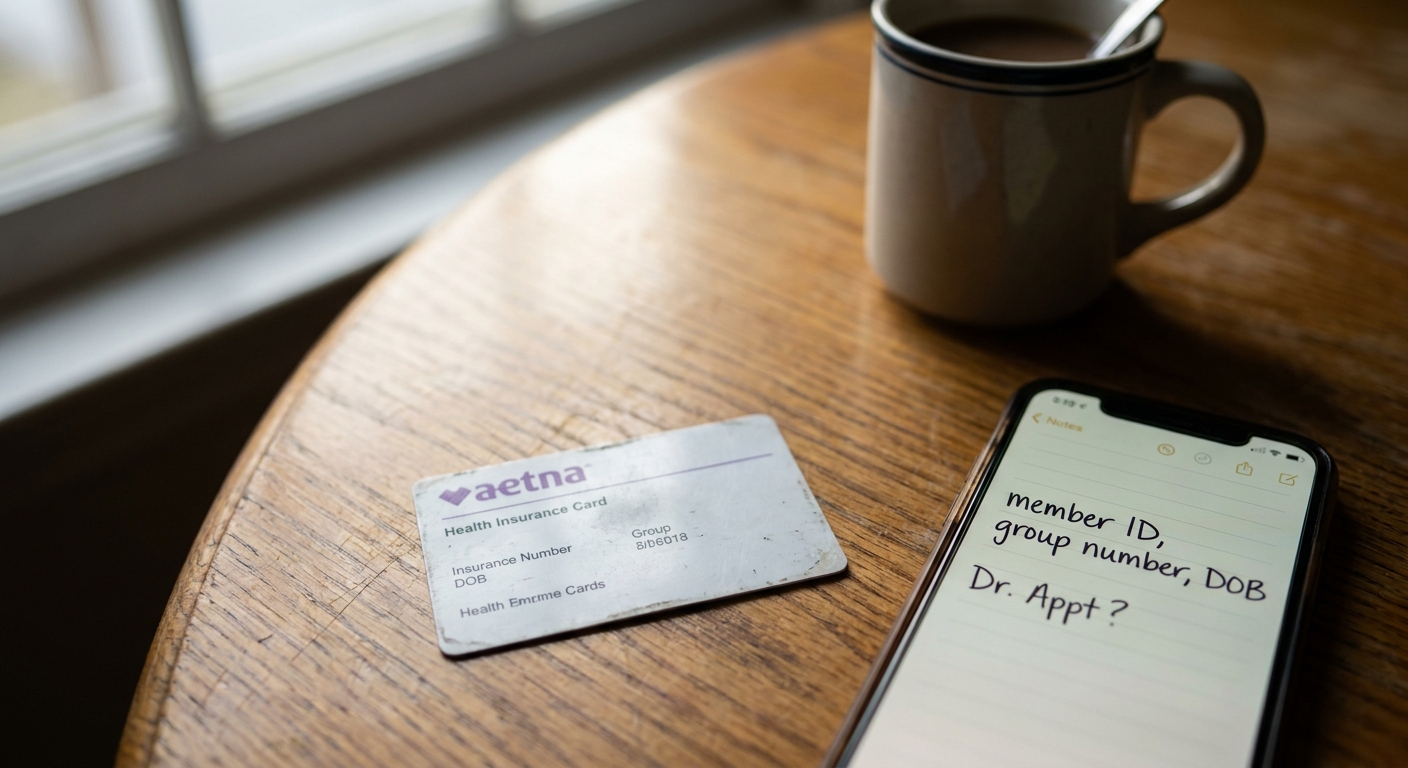
To speed this up, have the insurance card ready (front and back), the policyholder’s name and date of birth, and your child’s date of birth. If you call your insurer yourself, write down the representative’s name and a call reference number, then ask the same seven questions. Matching answers from both sides is the best protection against surprises.
Common Questions About Rehab Costs in Fullerton
How much does outpatient rehab cost in Fullerton per week?
It depends on how many sessions your child attends each week and what your plan allows for each service. Rebound Support Group gives your family a specific estimate after verifying your benefits. Many plans cover a significant portion after the deductible, and verification shows your actual share.
What is the difference in cost between IOP and standard outpatient in Fullerton?
IOP (ASAM 2.1) costs more than standard outpatient (ASAM 1.0) because it involves 9 to 19 clinical hours per week, compared with up to 9 hours for standard outpatient. More hours means more staff time, closer monitoring, and higher clinical intensity.
How much does rehab cost in Fullerton if I have insurance?
Many commercial plans cover outpatient substance use and mental health treatment. Your out-of-pocket cost depends on your deductible, copay or coinsurance, network status, out-of-pocket maximum, and authorization rules. That is why Rebound verifies benefits before admission.
What insurance plans does Rebound Support Group accept in Fullerton?
Rebound accepts Aetna, Cigna, Blue Cross Blue Shield, UnitedHealthcare, Anthem, and Health Net, plus private pay. A full benefits verification before admission confirms coverage and estimates what your family may owe.
Can I pay for rehab privately in Fullerton if my insurance does not cover it?
Yes, Rebound offers private pay. Verify benefits first, though, because many plans cover more than families expect.
Why does rehab take weeks or months, and does that affect the total cost?
Treatment episodes vary; one client might work with our team for around 90 days, which gives time to address substance use and underlying mental health together. Stepping down from IOP to outpatient spreads the cost across levels of decreasing intensity as your child builds stability and skills.
Your Next Step Is One Call, Not a Final Decision
You don’t need to choose a program, a payment plan, or a start date tonight. You only need to make one call. Rebound Support Group’s admissions team in Fullerton, led by a Certified Alcohol and Drug Counselor (CADC-II), will verify your insurance benefits and walk you through exactly what your family may owe before your loved one starts treatment. You can find contact details at reboundsupportgroup.com.
Before you call, find out one number: how much your child, or you as the policyholder, has already paid toward this year’s deductible. In the example above, the deductible made up nearly half of the family’s total cost, so knowing that one figure can change your estimate more than anything else on this page.
Ready to Get Clear Answers About Your Treatment Options?
If cost has been holding you back from seeking help, you deserve straightforward information that fits your specific situation. Rebound Support Group in Fullerton welcomes your questions about payment options, insurance coverage, and how to make treatment work within your reality. A brief conversation can help you understand exactly what to expect and how to take the first step forward.
Treatment response varies by individual. No program can guarantee specific outcomes, and no length of stay ensures lasting recovery for every person.