
If you are searching for rehab near Rancho Peñasquitos, you have probably noticed that no list tells you what your Monday through Friday would actually look like, or where you would sleep and eat. This Rebound Support Group guide walks you through six steps. It ends with a ranked checklist of questions to ask any program and a clear first call to make. Instead of handing you more facility names, it looks at Rancho Penasquitos rehab programs for addiction the way a clinician might: safety first, then the mental health picture, then the level of care, then the week, the housing, and the call.
Here is what a concrete answer sounds like. At Rebound Support Group in Fullerton, CA, people in the intensive outpatient program attend 5 hours of group and individual sessions Monday through Friday. The groups follow an evidence-based curriculum. Each person has at least one individual counseling or therapy session every week and goes to one outside 12-Step meeting every day. People living in the contracted sober living homes that Rebound manages get transportation and food from the home. Every Saturday there is an organized outing to beaches, parks, and shopping centers.
You may never choose Rebound, and that is fine. The point is that any program you are considering should be able to describe your week this clearly. You don’t have to have everything figured out today. You only need the next step.
What Do You Need Before You Start Comparing Rancho Penasquitos Rehab Programs for Addiction?
Before you compare programs, it helps to have two things: an honest picture of each program’s location and levels of care, and a short folder of your own information. With both in hand, phone calls can be faster and more useful.
This guide is for you if you are thinking about treatment for yourself and feel worn down by lists that all sound the same. Many people reading this have been through treatment before. Some finished a program, went home, and returned to use within weeks while anxiety, depression, or trauma went untreated. If that is your history, you are not starting over from zero. You are starting with information about what did not work, and that information can be useful.
Start with the facts about Rebound Support Group, stated plainly. Rebound’s only location is Fullerton, CA 92832. Rebound offers three outpatient levels of care: partial hospitalization (PHP), intensive outpatient (IOP), and outpatient (OP). It also runs the Supportive Living Bridge Program through contracted sober living homes it manages. Rebound does not provide medical detox. If you need it, Rebound will refer you to it first. It will not pretend to be that service.
Next, gather what any intake team will ask for. Having it ready means the first call can focus on you, not on paperwork:
- A current medication list, including doses, psychiatric medications, and anything prescribed for sleep or anxiety
- Prior diagnoses, such as depression, anxiety, bipolar disorder, PTSD, or a medical condition like liver or heart problems
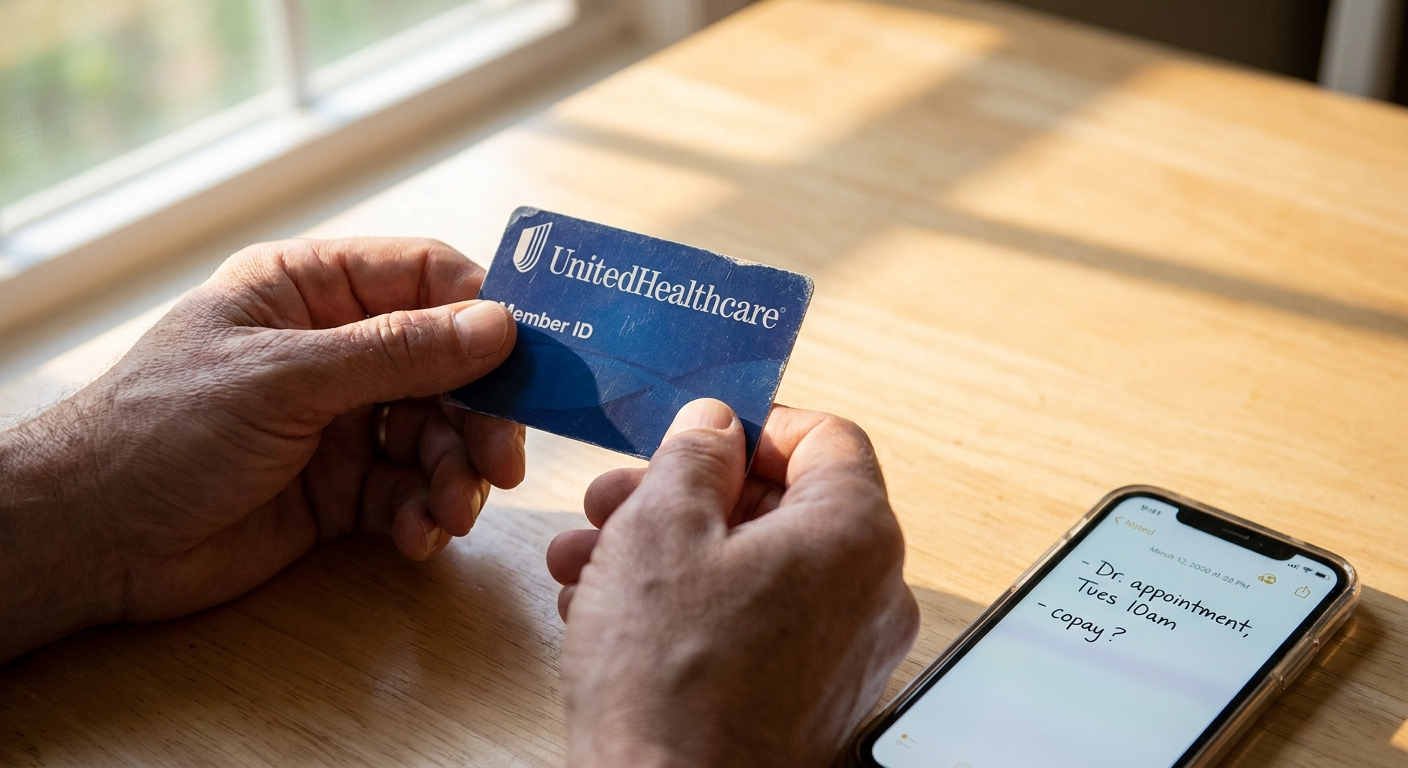
- Your insurance card, front and back, with the member services phone number
- A list of past treatment attempts, including detox stays, hospitalizations, outpatient programs, and roughly how long each lasted
Insurance belongs on the table early, because it shapes what is possible. Rebound Support Group is in-network with Cigna. It also accepts Aetna, Blue Cross Blue Shield, TRICARE, and UnitedHealthcare, though it is not in-network with those plans. Step 6 explains how verification works, so you get a real answer about your coverage before anyone discusses a start date.
Step 1: How Do You Get a Safety and Medical Check First?
Your first step is a safety and medical check, before you choose any program. If withdrawal could be dangerous or a mental health emergency is happening, that needs to be handled before outpatient care is considered.
This order is not paperwork for its own sake. It is the start of Rebound Support Group’s own ten-step sequence. Immediate safety and medical screening comes first, and checking withdrawal and detox needs comes second. If someone needs withdrawal management, Rebound refers them to a detox program before outpatient treatment begins. The reason is simple. Withdrawal from alcohol, benzodiazepines, or opioids can carry real medical risk, and an outpatient schedule cannot supervise you overnight. If you drink heavily every day, talk to a doctor or a medical detox program before you stop on your own.
Some situations should never wait for an intake appointment. Treat it as an emergency if you, or someone you are with, says they are going to kill themselves, has been hallucinating and hasn’t slept for days, or is having severe withdrawal symptoms such as shaking, confusion, or seizures. Rebound Support Group does not handle those calls as routine admission questions. It directs people to emergency medical, psychiatric, or withdrawal-management care first. Rebound describes its responsibility this way: help the person reach the right level of care, even if that isn’t Rebound.
Keep these numbers where you can find them:
- Call 911 for a medical emergency, overdose, seizure, or immediate danger.
- Call or text 988 to reach the Suicide and Crisis Lifeline any time, day or night.
- Call 1-800-662-4357, the free, confidential national treatment referral helpline, if you need help finding detox or other care.
Picture how this might work in practice. You call a program and mention you have been drinking a fifth a day and get the shakes in the morning. A careful program will slow the situation down and describe a clear next step: a medical evaluation or detox referral first, then a conversation about outpatient care once withdrawal is safely managed. A program that skips that question and books your start date may be showing you how it handles harder moments later.
Step 2: Does the Program Treat Anxiety, Depression, or Trauma Alongside Addiction?
Once safety is addressed, the next question is about the mental health side. Ask every program whether it treats mental health conditions at the same time as substance use, and how it decides which symptoms come from which source. Rebound Support Group treats both at the same time, but it does not treat them as one and the same.
That distinction matters if you have been through treatment before. Some programs focus almost entirely on stopping use and leave the anxiety, depression, or trauma for “later.” Rebound’s approach is to work on stabilizing the mental health condition so a person can continue addiction treatment, while addressing substance use in the same weeks. The National Institute on Drug Abuse lists among its principles of effective treatment that care should address all of a person’s needs, not just their drug use.
At Rebound Support Group, intake screening for co-occurring disorders covers a lot of ground. The clinician asks about:
- Your substance use history: which substances, how often, how much, how you use, for how long, your last use, any overdoses, and past withdrawal
- Previous diagnoses, treatment, and psychiatric hospitalizations
- Current and past psychiatric medications
- Trauma history and sleep problems
- Suicidal or homicidal thoughts and any self-harm history
- Family history of mental illness and substance use
- How life is going at work, school, home, and in relationships
Rebound also uses standard screening tools: the PHQ-9 for depression, the GAD-7 for anxiety, the DAST-10 for problem drug use, the MDQ for possible bipolar-spectrum symptoms, the Columbia Suicide Risk Assessment, and the AUDIT-C for problem alcohol use. The principle Rebound follows is to use screening tools to support, not replace, the clinical assessment. A questionnaire score is a starting point for a conversation, never the final word on who you are.
How clinicians tell substance-induced symptoms from independent ones
A clinician separates substance-induced symptoms from independent ones mostly by looking at timing. When did the symptoms start? Do they appear only during use or withdrawal? Do they continue during sober periods? The answers can change a treatment plan.
Rebound Support Group gives a clear example. Someone who becomes paranoid while intoxicated on methamphetamine should not automatically be diagnosed with a primary psychotic disorder. To sort it out, the clinician looks at when the symptoms first appeared and whether they existed before substance use began. They check whether the symptoms happen only during intoxication or withdrawal, whether they persist during abstinence, and whether there were past episodes while sober. They also weigh family psychiatric history, prior diagnoses and treatment, how medications have worked, and how long and how severe the symptoms have been. When appropriate, and with the right authorization, the team may also gather collateral information from past providers, hospitals, or family.
The plan does not freeze after intake. Rebound reassesses as sobriety progresses and adjusts the treatment plan as the picture becomes clearer. Here is why that matters for relapse prevention: if someone returns to use whenever their anxiety becomes overwhelming, then anxiety management becomes part of relapse prevention. That’s the integrated approach. When you call any program, ask: “How do you decide whether my symptoms are caused by the substance or are separate, and when do you check again?”
Step 3: Which Level of Care Matches What You Need?
With the full picture in view, the next decision is how much structure you need. Your level of care should be matched to what you need right now, not just how serious a diagnosis sounds. Rebound Support Group offers PHP, IOP, and OP, and it refers people to a higher level when they are medically or psychiatrically unstable.
The levels differ mainly in weekly clinical hours. These are the ranges Rebound works with for adults:
| Level | Weekly clinical hours | Who it usually fits |
|---|---|---|
| Outpatient (OP) | Up to 9 hours | People who are stable enough to handle most daily responsibilities, and for whom treatment is one part of life |
| Intensive Outpatient (IOP) | 9 to 19 hours | People who need much more structure than OP but can safely function outside treatment for big parts of the day |
| Partial Hospitalization (PHP) | 20 or more hours | People who need high-intensity structured treatment and monitoring but do not need 24-hour care |
Placement at Rebound Support Group comes from a standardized assessment across six areas: intoxication and withdrawal risk, biomedical conditions, emotional and behavioral conditions, readiness to change, relapse risk, and your recovery environment. Two people with the same severe substance use disorder can land in different places. If medical and psychiatric health is stable and there is a supportive home, IOP may fit. If someone also has significant psychiatric symptoms, repeated recent relapses, and trouble coping, PHP may be the better match. If a person is medically or psychiatrically unstable, Rebound does not place them in PHP just because it is the highest level offered. Instead, it refers them to the higher level of care they need.
That assessment also becomes the clinical record your insurer reviews. A strong record connects the dots: the presenting problem, the assessment findings, the risks, why this intensity is needed, and why a lower level is not enough. Rebound describes a typical stay as 90 days, though length of stay depends on individual progress and plan. When you compare programs, ask: “What level are you recommending, how many hours a week is that, and what would make you move me up or down?”
Step 4: What Does a Real Week of Intensive Outpatient Look Like?
Knowing your level is one thing. Knowing your week is another. A real IOP week should be described in hours, sessions, and meetings, not adjectives. Rebound Support Group’s week is concrete enough that you can check it against any other program.
Here is the structure at Rebound’s intensive outpatient program in Fullerton, CA:
- Monday through Friday: 5 hours of group and individual sessions, with group topics drawn from an evidence-based curriculum
- Every week: at least one individual counseling or therapy session
- Every day: one outside 12-Step meeting
- Every Saturday (for people in Rebound’s contracted sober living): an organized outing to local beaches, parks, shopping centers, and similar places
- Daily, for sober living residents: transportation and food provided by the sober living home
Each piece has a purpose. Group sessions are meant to teach skills and let you hear from people a few weeks or months ahead of you. Individual sessions give you private time to work on what you may not say in a room full of people, such as trauma, grief, or shame. The daily outside meeting is meant to build a support network that does not depend on the program, which can matter once treatment hours end. The Saturday outing is practice at spending a free day without using, which many people in early recovery find challenging.
Try picturing your own week inside that schedule. You wake up in a sober living home and ride to programming with your housemates. You spend the day in group and individual work, eat a meal you did not have to plan, and finish with a 12-Step meeting. That structure can reduce the number of decisions you have to make alone during the weeks when decisions may feel hardest. NIDA notes that staying in treatment long enough is critical, and a week that is predictable and livable may make staying easier. Ask every program to write its weekly schedule down. If it cannot, that tells you something.
Step 5: How Do You Plan Where You Will Live During Treatment?
The schedule works best when the place you go home to supports it. Plan where you will live during treatment as carefully as you choose the program itself. Getting sober and staying sober are two different jobs, and the second happens largely at home.
Rebound Support Group’s Supportive Living Bridge Program is designed for people whose home environment is closely tied to their substance use. If you live with people who use, if your dealer is a phone call away, or if every route you drive passes a place you used, being told to “stay sober” may not be enough. Supportive living is a bridge between treatment and independent living. Rebound works through a staged plan:
- Week 1: identify what could pull someone out of recovery. The Rebound Support Group team looks at housing, the people you live with, access to substances, transportation, work, money, legal obligations, family relationships, mental health care, recovery supports, and high-risk places and people.
- Week 2: rebuild daily life. Once there is some stability, the focus shifts from following the program to building your own recovery. That includes job or school goals, budgeting and debt, avoiding impulsive spending, boundaries, communication, cooking, cleaning, appointments, and getting around.
- Week 3: practice coping, not just talk about it. The question becomes, “What happened this week that made you want to use, and what did you actually do instead?” The group examines real situations, such as an angry phone call, payday, a breakup, loneliness, boredom, or running into someone you used with. Each one is broken down as a chain: trigger, then thought, then emotion, then urge, then behavior, then consequence. The aim is to help you spot where you might step in differently next time.
Throughout those weeks, Rebound monitors the mental health side too: depression, anxiety, trauma symptoms, sleep, mood, medication effects, psychiatric appointments, and suicide risk when clinically indicated. The idea behind all of it is that recovery has to work outside the treatment building.
Now the honest part about distance. Rebound Support Group is in Fullerton, CA, and you should weigh that travel yourself. For people in the contracted sober living homes, transportation and food come from the home, which can remove the daily commute. If you plan to live at home instead, the travel is yours to manage. Whatever program you consider, ask directly: “How does transportation work, and who provides it?”
If you are a veteran or covered by TRICARE, know what Rebound is and is not. Rebound is not a military-specialty program, and not every clinician has combat-PTSD specialization. What it does offer is a dual-diagnosis, trauma-informed model. It does not ask you to separate your substance use from what might be under it, whether that is nightmares, hypervigilance, anger, or isolation. Stabilization comes before anyone asks you to retell what happened. For care that needs deeper specialization, Rebound coordinates or refers to veteran-focused PTSD services, so check what is currently available before you rely on it.
Step 6: What Happens When You Make the First Call and Verify Benefits?
By now you know what to look for, so the last step is the call itself. On a good first call, a real person listens before asking about insurance, and benefits are verified before anyone discusses admission. That is how Rebound Support Group describes its process, and it is a reasonable standard to hold any program to.
When you call Rebound, a real person answers and starts with “Tell me what’s happening today.” The questions that follow are about you: what you use, when you last used, how often, any overdoses, current withdrawal or intoxication, mental health symptoms, recent hospital or detox stays, where you are right now, and whether there is any immediate safety concern. If someone who loves you makes the first call, Rebound still asks to speak with you directly whenever possible, and it does so without shame. Your confidentiality is respected. Rebound cannot share information about your treatment with family members without your authorization.
If you are a fit, day one follows a clear timeline:
- First 10 to 15 minutes: a Rebound Support Group peer or recovery staff member greets you. You meet staff who have been where you are, and other clients who have been in your position more recently. The message is, “I’m glad you’re here. You don’t have to have everything figured out today.”
- 15 to 30 minutes: a warm handoff. The peer introduces you directly to your counselor or intake clinician, so you are not passed from stranger to stranger.
- 30 to 60 minutes: immediate safety and medical screening, to confirm the program can safely meet your needs.
- 1 to 2 hours: the full biopsychosocial and substance use intake. The clinician explains why each sensitive question is asked.
Insurance comes next, and it should come before any commitment. Rebound Support Group is in-network with Cigna. It accepts Aetna, Blue Cross Blue Shield, TRICARE, and UnitedHealthcare, but is not in-network with them. Rebound uses the same verification and authorization process for every insurer. In Rebound’s experience, Aetna has been straightforward. Blue Cross Blue Shield coverage depends on the individual policy, and some BCBS plans do not cover the outpatient (OP) level. Verification checks whether your plan is active, which benefits apply, what deductible or coinsurance you may owe, and whether authorization is required. No program can promise a specific result, and Rebound does not. What it can do is tell you clearly what your plan appears to cover before you start.
What Should You Have When You Finish These Steps?
When you finish, you should have a ranked checklist of questions to ask every program and one clear first call to make. The order matters: the early questions address safety, and the later ones address the structure of your care. Use this list for any of the Rancho Penasquitos rehab programs for addiction you are weighing, including Rebound.
Here is the checklist, in order of priority:
- Safety and withdrawal plan. “Do you screen for withdrawal risk, and where do you refer me if I need detox first?”
- Mental health care at the same time. “Do you treat anxiety, depression, or trauma alongside addiction, and how do you tell substance-induced symptoms from independent ones?”
- Level-of-care fit. “What level are you recommending, how many hours a week, and what would make you move me up or refer me out?”
- A written weekly schedule. “Can you send me my actual week, including group hours, individual sessions, and meetings?”
- Housing and transportation. “Where will I live, and how do I get to programming every day?”
- Benefits check. “Will you verify my insurance and explain what I may owe before you discuss admission?”
Ask one more question that most people never think of: “What happens if I want to leave?” Wanting to quit in the first few weeks is common, and how a program responds tells you a lot. Rebound Support Group shared one example, with identifying details left out. One client early in treatment for substance use, also experiencing significant anxiety and depression, said they were leaving. Treatment felt too slow, the group setting was uncomfortable, and everything felt overwhelming. Instead of trying to convince them to stay, the Rebound Support Group counselor slowed things down and asked what specifically was driving the decision. The team assessed safety, including suicidal thoughts, relapse risk, and changes in psychiatric symptoms. They reduced some demands, focused on stabilization and short-term goals, connected the client with mental health support, and let the client help decide what the next few weeks would look like. The message was that the immediate goal was simply to get through the next step safely. That client chose to stay.
Rebound is also clear that you have the right to leave when you are legally and clinically able to. If you choose to go, the program’s job is to make sure safety concerns are addressed, alternatives are offered, and you leave with a discharge or referral plan. Recovery looks different for each person. A program that answers all six questions clearly, and tells you honestly what it does not offer, is giving you useful information for making your decision.
What Do People Usually Ask Before They Call?
Most people ask the same handful of practical questions before calling. Here are direct answers about Rebound Support Group.
Where is Rebound Support Group located?
Rebound’s only location is Fullerton, CA 92832. If you live farther away, weigh the distance honestly. People in Rebound’s contracted sober living homes receive transportation and food from the home, which can remove the daily commute.
Does Rebound offer detox?
No. Rebound does not provide medical detox. If you may need withdrawal management, Rebound refers you to a detox program first and then helps you reach the right level of care.
What is the difference between PHP, IOP, and outpatient treatment?
The main difference is weekly clinical hours. Outpatient (OP) is up to 9 hours a week, intensive outpatient (IOP) is 9 to 19 hours, and partial hospitalization (PHP) is 20 or more hours. Placement depends on an assessment of six areas, not on diagnosis alone.
Can addiction and anxiety, depression, or trauma be treated at the same time?
Rebound treats both at the same time. Clinicians first work to sort out whether symptoms are substance-induced or independent by checking when they began and whether they continue during sober periods. Then they reassess as sobriety progresses.
Which insurance does Rebound Support Group accept?
Rebound is in-network with Cigna. It accepts Aetna, Blue Cross Blue Shield, TRICARE, and UnitedHealthcare, though it is not in-network with those four. Benefits are verified before admission, and BCBS coverage varies by policy.
What happens on the first call?
A real person answers and listens first, starting with “Tell me what’s happening today.” Rebound asks to speak with you directly, keeps your information confidential, and checks your benefits before discussing admission.
Your first call can be short and simple. Call Rebound Support Group in Fullerton, CA, tell them what is happening today, and ask for two things: a benefits check and a written weekly schedule. Hold every other program to that same standard, because a program that can put your week on paper has already thought about how you will move through it. If you are in crisis, call or text 988 or call 911 first.
Choosing a Program Is Easier When You Don’t Do It Alone
If you’ve read this far, you may be worried that picking the wrong rehab program would waste time you don’t feel you have, or that you aren’t “ready enough” to ask. You don’t need to have it all figured out before reaching out. Rebound Support Group in Fullerton, CA can talk through where you are, answer your questions about substance use disorder treatment, and help you think about what fits. Call the office when you’re ready, and take the first step at your own pace.
Individual experiences and outcomes vary.