
Expertise provided by intoactionconsulting, M. Craig Jewett
You’re holding your partner’s Cigna card and getting ready to make the call. Your first question may not be clinical. It may be financial: will this plan pay, or will a bill you can’t cover arrive three weeks into treatment? At Rebound Support Group in Fullerton, admissions answers that question with verified numbers before your loved one walks through the door, including your deductible, your copay, and your share. This guide explains how Cigna mental health coverage in Fullerton works at Rebound, what gets checked, and what you can expect to pay.
You may have spent nights searching while your partner slept, or didn’t sleep. You may be juggling work, kids, and a person you love who can’t make this call right now. You don’t need everything figured out today. This page is meant to slow things down and give you a clear next step, so that when you pick up the phone, you already know which questions get answered and in what order.
What Does Cigna Mental Health Coverage in Fullerton Pay For at Rebound Support Group?
Cigna is a confirmed in-network payer at Rebound Support Group in Fullerton. Your partner’s Cigna behavioral health benefits can apply to Rebound’s intensive outpatient program (IOP), outpatient program (OP), and the support that continues after formal treatment. What your plan pays depends on its deductible, cost-share, and authorization rules, and admissions verifies all of those before admission.
Rebound Support Group builds each program around the ASAM Criteria, the standard framework clinicians use to match a person to the right intensity of care:
- IOP (ASAM Level 2.1): 9 to 19 clinical hours per week, typically 3 to 5 days a week, with several hours of programming on each treatment day. That time includes groups, psychoeducation, relapse prevention, individual counseling, care coordination, and medication support, including MAT, when it is clinically indicated.
- OP (ASAM Level 1.0): the lowest intensity, usually a few individual and group sessions per week, up to 9 clinical hours.
- Supportive Living Bridge Program: a structured sober living option for people whose home environment makes early recovery harder.
- Alumni program: ongoing connection for long-term recovery after formal treatment ends.
Inside those levels, Rebound offers individual counseling, group therapy, family therapy, addiction counseling, co-occurring disorder treatment, and medication management. Depending on your plan and your partner’s level of care, these may be billed as part of a program day or as separate sessions. That is one reason a general answer from a website, including this one, can’t replace the verified numbers for your plan.
In-network status matters for your wallet. An in-network facility works from Cigna’s contracted “allowed amount,” the rate Cigna has agreed to pay for a covered service. In general, an in-network provider accepts that rate for covered care, and your share comes from your plan’s deductible, copay, or coinsurance applied to that amount. Instead of guessing at a sticker price, you work from the number Cigna allows.
One more thing up front: if the first call shows your partner needs withdrawal management or a different level of care, Rebound refers or coordinates that care first. The immediate goal is getting through the next step safely, and outpatient care at Rebound can follow once your partner is stable.
How Will You Know What Cigna Pays Before Your Partner Starts?
Rebound Support Group runs the same verification of benefits (VOB) and authorization process for every insurer, and Cigna goes through it exactly like any other plan. You hear the verified deductible, cost-share, authorization status, and any amount that may be your responsibility before admission, so nothing about your call is improvised.
Step 1: A real person listens first. When you call Rebound Support Group, the conversation opens with “Tell me what’s happening today,” not a request for a member ID. Staff will ask about:
- which substances your partner uses, when they last used, and how often
- any overdose, intoxication, or withdrawal
- mental health symptoms
- any suicidal or homicidal statements
- recent hospitalization or detox
- whether your partner is willing to get treatment
- whether anyone is in immediate danger
If there is an emergency, staff direct you to emergency services. Call 911 for immediate danger, or call or text 988 for a mental health crisis. Insurance can wait; safety can’t.
Step 2: The clinical picture comes before the paperwork. Rebound first determines whether outpatient care is clinically appropriate and safe for your partner. The team then completes an ASAM-based level-of-care assessment covering acute intoxication and withdrawal potential, biomedical conditions, emotional, behavioral, and cognitive conditions, readiness to change, relapse potential, and the recovery environment. This step shapes cost too, because the level of care drives the price.
Step 3: Admissions verifies the Cigna benefit itself. Rebound doesn’t rely on the card. Admissions confirms that the plan is active, that Rebound is in-network, and whether the behavioral health or SUD benefit applies. They check the deductible, copay, and coinsurance, whether authorization is required, and how many days or hours are initially covered. They also confirm whether concurrent review or a single-case agreement is needed, and who performs utilization review for your plan.
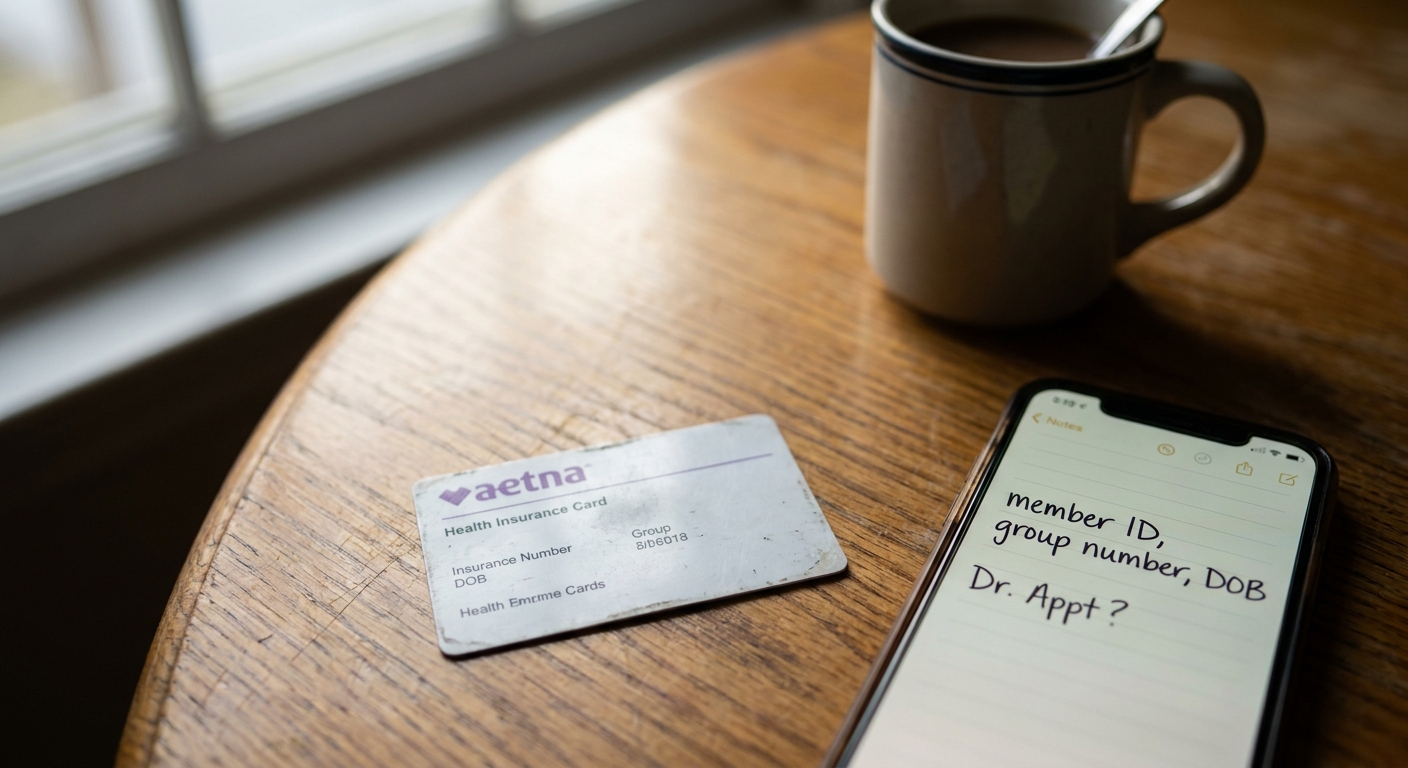
Step 4: You hear the money before you commit. Staff will tell you plainly that verification is not a guarantee of payment, because insurers make final decisions when claims are processed. Before admission, they walk you through the deductible, cost-share, authorization, and any amount that may fall to your family, using only the verified information received. To make the call smoother, have the card in front of you along with the member ID, group number, subscriber’s name and date of birth, and the behavioral health number on the back.
What Will You Owe Out of Pocket With a Cigna Plan?
Your out-of-pocket cost at Rebound comes down to four figures on your partner’s Cigna plan: the deductible, any per-day or per-session copay, the coinsurance percentage, and the out-of-pocket maximum. No two Cigna plans set those the same way, so the only real figure is the one admissions verifies for your plan.
Here is how each shows up in practice. The deductible is what you pay before the plan starts sharing costs, and on employer and marketplace plans it can range from a few hundred dollars to several thousand. Some plans use a flat copay per treatment day or session. Others use coinsurance, so your share rises with each bill. The out-of-pocket maximum caps what you pay for in-network covered care in a plan year. Because stays at Rebound vary in length, that ceiling may be the number that matters most depending on your situation.
Timing changes the math. If your partner already had doctor visits, ER visits, or prescriptions this plan year, part or all of the deductible may be met. If your partner is on your family plan, the family deductible and out-of-pocket maximum may apply. These details are easy to miss when you’re scared and tired, and they are exactly what admissions checks for you.
Level of care drives cost as well. IOP costs more than OP because it involves more clinical staff time, more groups and individual sessions, and closer monitoring and care coordination. Many people step down from IOP to OP during their stay, so your share can change as your partner progresses. If medication is part of treatment, ask how it is billed, since some plans cover prescriptions under a separate pharmacy benefit. Rebound also accepts private pay. If your verified share is more than you can manage, ask admissions about options before admission, not after.
What If Cigna Approves Less Care Than Your Partner May Need?
Sometimes the plan and the clinical team don’t see the same picture at first. Commercial insurers, Cigna among them, may require a clinical packet before authorizing a level of care, and Rebound Support Group prepares and submits it. If Cigna would approve less care than the ASAM-based assessment recommends, you hear about that gap during verification, before admission.
Authorization usually works in stages. Cigna may approve a set number of days or hours at first, then use concurrent review to check progress and decide whether more care is needed. Admissions confirms who performs utilization review for your plan so you know who is making the calls, and checks whether a single-case agreement is needed, though that is less common for an in-network facility.
Here is what a gap can look like. Say your partner drinks daily to quiet constant panic, and home is tense and unpredictable. The assessment may point to IOP four or five days a week, because your partner may benefit from more hours of structure. The plan’s reviewer may approve standard outpatient sessions only. Rebound tells you that before you commit. Options may include starting at the approved level while the clinical team documents ongoing need, requesting a clinician-to-clinician review, or filing an appeal. We don’t hide the gap. We put it on the table so you can decide with clear eyes.
You also have rights. Federal parity law says mental health and substance use benefits can’t face stricter limits than medical benefits. In California, the Department of Managed Health Care has run focused surveys checking whether health plans follow mental health parity rules. If your partner’s Cigna plan is regulated by that department, you may be able to use its grievance and independent medical review process after an internal appeal. Self-funded employer plans follow federal rules instead, so ask your employer’s benefits office which apply.
Will Cigna Pay for Treating the Addiction and the Mental Health Together?
For many spouses, this is the question underneath all the others. On many Cigna plans, behavioral health benefits can apply to both substance use disorder and mental health conditions, and Rebound Support Group treats them together in one program. Your verification confirms which benefit applies to your partner’s care and whether any part needs separate authorization.
The two problems are rarely separate. The National Institute on Drug Abuse notes that substance use disorders often occur alongside other mental health conditions. Many people who reach Rebound have tried treatment before and faced relapse because only the substance use was addressed, while the anxiety, depression, or trauma underneath went untouched.
Rebound doesn’t ask your partner to “get sober first” and deal with the rest later. The clinical team starts by establishing safety and stabilization, then maps substance use patterns, triggers, sleep, anxiety, mood, and daily functioning to understand what the substance is doing for your partner. From there, treatment builds healthier ways to manage those symptoms while addressing the addiction at the same time. If your partner drinks to get through panic, Rebound treats the panic and the drinking in one whole-person plan, with one team, one VOB, and one set of cost numbers. That work is guided by evidence-based care and by staff that includes a Certified Alcohol and Drug Counselor (CADC-II).
Recovery has to hold up outside the treatment room, too. Family therapy gives you space to rebuild trust and learn to respond to warning signs. Rebound’s Alumni program keeps your partner connected for long-term recovery. If home itself is a relapse risk, ask admissions about the Supportive Living Bridge Program, and ask how housing support would be billed, since it is often paid differently from clinical care. SAMHSA also offers family resources on co-occurring disorders.
What Could Time in IOP Cost You With Cigna? A Worked Example
Numbers are easier to trust when you can see how they add up. In the made-up plan below, a Cigna member would owe about $7,000 for time in IOP, because the out-of-pocket maximum caps the bill. These figures only illustrate the math. They are not Rebound’s rates or any real Cigna plan. Individual results vary based on plan terms and treatment duration.
Imagine a plan with a $3,500 deductible, 30 percent coinsurance after the deductible, and a $7,000 in-network out-of-pocket maximum, with nothing spent toward the deductible yet. Assume an allowed amount of $450 per IOP treatment day, with your partner attending 3 days a week for 12 weeks. That is 36 treatment days.
| Line item | Illustrative amount |
|---|---|
| Allowed charges (36 days x $450) | $16,200 |
| Your deductible | $3,500 |
| Remaining allowed charges | $12,700 |
| Your 30% coinsurance on the remainder | $3,810 |
| Deductible plus coinsurance | $7,310 |
| Your share, capped by the $7,000 out-of-pocket maximum | $7,000 |
| Cigna’s share of allowed charges | $9,200 |
Now picture a different plan with a flat $75 copay per IOP day and no deductible for this service. Over the same 36 days, your share would be $2,700. Same program, very different bill. That is why you should never compare programs by an online “average cost.”
When you call Rebound Support Group, admissions gives you this kind of breakdown with your plan’s verified numbers before admission. If your partner will likely start in IOP and step down to OP, ask them to walk through each phase separately. Keep in mind that verification is not a guarantee of payment, and the final amount depends on how Cigna processes each claim.
Questions Partners Ask Before They Call Rebound
These short answers cover what spouses and partners ask most often about Cigna and Rebound Support Group in Fullerton.
Does Cigna cover mental health treatment at Rebound Support Group in Fullerton?
Cigna is a confirmed in-network payer at Rebound. Benefits can apply to IOP, OP, individual counseling, group therapy, family therapy, and medication management. What your plan pays depends on its terms, which admissions verifies before admission.
How long does Cigna benefits verification take at Rebound?
Admissions runs verification after the safety and clinical questions, using the same VOB process Rebound uses for every insurer. Timing depends partly on how quickly Cigna responds. Either way, you get the verified deductible, cost-share, and authorization details before you commit.
What’s the real out-of-pocket cost for Cigna members at Rebound?
It depends on your plan’s deductible, copay, coinsurance, and out-of-pocket maximum, plus your partner’s level of care. Rebound explains your verified share before treatment starts.
Does Cigna require prior authorization for IOP at Rebound?
Some Cigna plans do, and some require a clinical packet. Rebound submits it and works through utilization review. You learn the approved level of care and any gap during verification, not mid-treatment.
Will Rebound bill me for amounts above what Cigna allows?
As an in-network provider, Rebound works from Cigna’s contracted allowed amount for covered services. Your responsibility is the deductible, copay, or coinsurance your plan sets on that amount. Ask admissions to confirm how this applies to your plan.
Does Cigna mental health coverage in Fullerton include co-occurring treatment at Rebound?
Many Cigna behavioral health plans can apply to both mental health and substance use care. Rebound treats substance use disorder alongside anxiety, depression, and trauma in the same program, and verification confirms which benefit applies.
What if my partner needs detox or a higher level of care first?
If the first call or the ASAM-based assessment shows your partner may need that first, Rebound refers or coordinates that care, and outpatient treatment can follow once your partner is stable.
Your Next Step Before You Call
Here is one concrete thing to do before you pick up the phone. Flip your partner’s Cigna card over and find the behavioral health number. Then note whether your partner is on your plan or their own, because that detail can change which deductible and out-of-pocket maximum apply, and it is the one families most often don’t know when they call. With that answer and the card in hand, call Rebound Support Group in Fullerton and ask for a benefits verification. Admissions will start with what’s happening today, then give you your verified deductible, copay, and patient responsibility before your loved one walks through the door.
Ready to understand your Cigna coverage for mental health treatment in Fullerton?
If you’ve been putting off care because you’re unsure what your plan will cover, you’re not alone. The team at Rebound Support Group can walk you through your specific Cigna benefits and help you take the next step toward support. Reach out today and get clarity on your coverage.
Individual insurance coverage, costs, and treatment outcomes vary. The information on this page describes processes and potential coverage, not guaranteed results.