
Expertise provided by intoactionconsulting, M. Craig Jewett
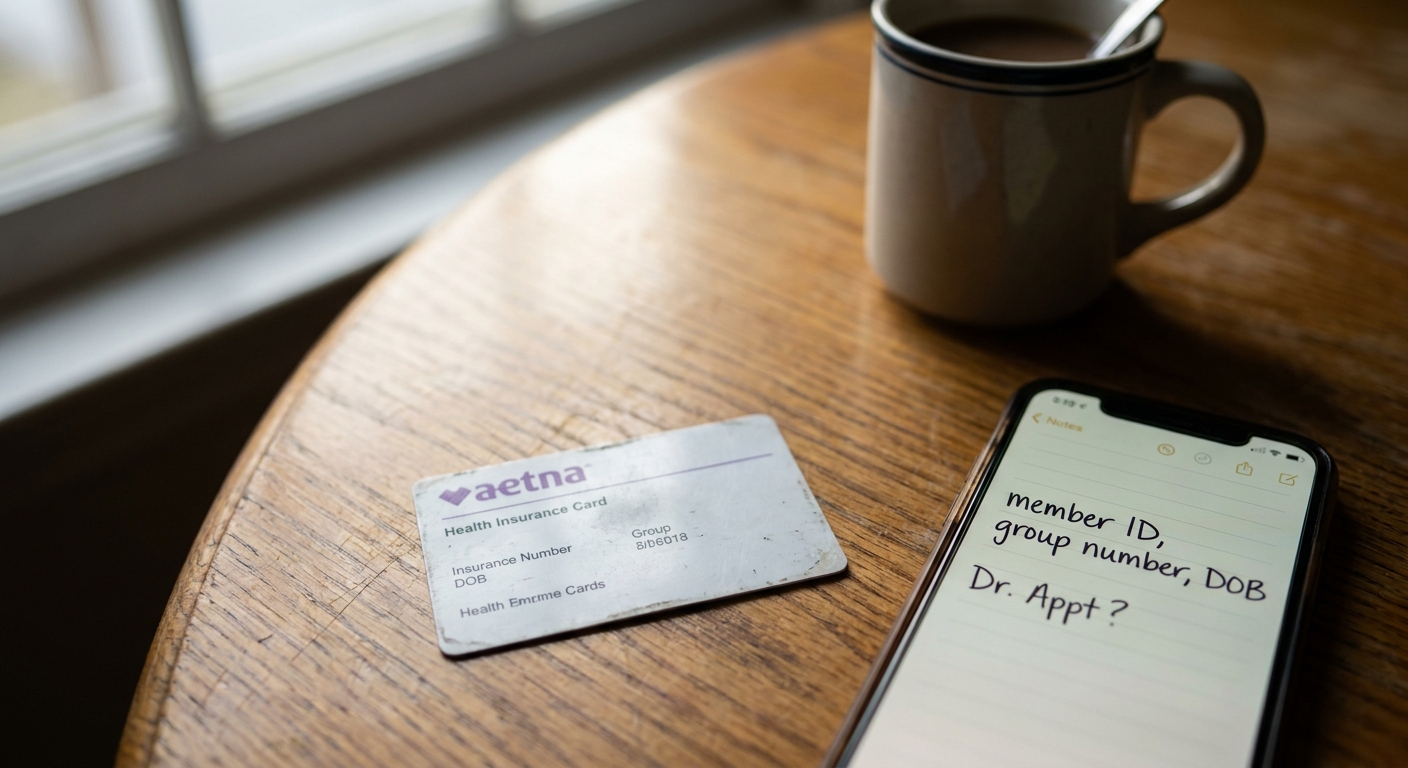
You are holding an Aetna member ID card that does not belong to you. The hard part is not deciding whether your partner needs help. You already know they do. The hard part is saying yes when you have no idea what “yes” will cost. That is the real question behind typing “does Aetna cover rehab in Fullerton” into a search bar. You are not asking whether treatment works. You are asking whether treatment will leave your family with a bill you cannot pay.
Here is the short answer. Rebound Support Group in Fullerton, CA accepts Aetna, and its team describes Aetna as one of the more straightforward insurers to work with. Rebound’s team reports a straightforward experience with Aetna verifications across the Aetna members it has served so far. Aetna benefits can apply to every level of care Rebound runs on-site: partial hospitalization (PHP), intensive outpatient (IOP), outpatient (OP), and the Alumni program. What your plan pays, and what you owe, depends on your specific Aetna plan. Rebound’s admissions team checks that before your partner starts, so you get a number instead of a surprise.
You don’t have to have everything figured out today. This guide covers which programs your Aetna plan can apply to, what drives your share of the cost, how the benefits check works, and what happens if Aetna approves less care than your partner needs. It ends with a simple worksheet you can fill in after one phone call.
Does Aetna Cover Rehab in Fullerton at Rebound Support Group, and for Which Programs?
Aetna benefits can apply to the four programs Rebound Support Group operates in Fullerton: PHP, IOP, OP, and Alumni support. Rebound is a state-certified Intensive Outpatient facility, and it reports that Aetna verification has been simple across the many Aetna clients it has served. Your exact benefit still depends on your plan, and the team verifies it before admission.
The programs differ by how many clinical hours your partner gets each week, and that difference is what drives cost.
- PHP (ASAM Level 2.5) is the most intensive outpatient level Rebound offers: 20 or more hours a week of clinically intensive programming on most weekdays.
- IOP (ASAM Level 2.1) runs 9 to 19 clinical hours a week, usually 3 to 5 days a week, with several hours each treatment day. It includes groups, psychoeducation, relapse prevention, individual counseling, and medication-assisted treatment (MAT) when it is clinically indicated.
- OP (ASAM Level 1.0) means a few individual or group sessions a week, up to 9 clinical hours under California’s DMC-ODS standard. It is the lowest-intensity level.
- Alumni support keeps your partner connected to Rebound after formal treatment ends, which may support continued recovery.
Many clients at Rebound Support Group complete a 90-day continuum of whole-person treatment, though the length of each person’s evidence-based care depends on their own path to long-term recovery. Some clients step down from PHP to IOP to OP as they stabilize, with the clinical team designing each transition around individual progress, so the hours, and the charges, may taper over time.
Rebound does not provide medical detox. If the first safety screen shows your partner needs that kind of care, for example when stopping a substance could cause dangerous withdrawal, the team refers out to that higher level first. That referral is not a closed door. It puts the steps in the right order, and Rebound’s PHP or IOP can follow once your partner is medically stable.
You may also worry that your partner’s drinking or drug use is tangled up with anxiety, depression, or trauma, so much that no one program can handle both. Rebound Support Group was built around whole-person treatment for exactly that. We don’t send your partner to one place for substance use and another for mental health. The same team treats co-occurring disorders together, and Rebound does not require someone to get sober first before working on the trauma or mood symptoms underneath. SAMHSA recommends integrated treatment for people with co-occurring conditions, meaning care that addresses mental health and substance use at the same time.
Rebound also runs a Supportive Living Bridge Program, which helps your partner build a stable recovery environment. Ask the admissions team how it fits your partner’s plan and how it is paid for. Do not assume your Aetna behavioral health benefit applies to it. Insurers often treat housing support differently from clinical treatment.
What Will You Actually Owe? Three Numbers on Your Aetna Plan Decide It
Now that you know which programs your plan can apply to, the next question is cost. What you owe at Rebound Support Group comes down to three things:
- Whether your Aetna plan treats Rebound as in-network or out-of-network
- Your deductible and your coinsurance or copay
- Which level of care the assessment recommends: PHP, IOP, or OP
Your in-network out-of-pocket maximum sets the ceiling.
Start with network status, because it changes everything else. Aetna sells many different plans, and the same facility can be in-network on one and out-of-network on another. In-network usually means a lower cost share and a yearly out-of-pocket maximum that protects you. Out-of-network care often comes with a higher share and a separate deductible. Sometimes it comes with charges above what the plan allows. Some plans pay nothing for out-of-network care except emergencies.
When a plan has no network option for the care a person needs, a single-case agreement can sometimes bridge the gap. That is a one-time arrangement between the insurer and the provider. Rebound’s team checks network status, and whether a single-case agreement is needed, as part of every Aetna verification.
Next comes the level of care. A week of PHP at 20-plus hours involves far more clinical staff time than a week of IOP, and IOP involves far more than OP’s few sessions. Your share of the cost follows those differences. This is why no honest program can quote you a final number before the clinical assessment. The level your partner needs drives the charges, and the charges drive your share.
Here is a worksheet you can fill in after one call with the admissions team:
| Plan number to ask for | What it means | How it affects your bill |
|---|---|---|
| Network status | Whether your plan treats Rebound as in-network | Sets which deductible, cost share, and maximum apply |
| Deductible remaining | What you still pay in full before the plan shares costs | Usually hits first, in the early weeks of care |
| Coinsurance or copay | Your percentage or flat fee after the deductible | Determines your ongoing weekly cost |
| Out-of-pocket maximum remaining | The most you pay for in-network covered care this plan year | Your worst-case number, not counting premiums |
| Recommended level of care | PHP (20+ hrs/week), IOP (9 to 19 hrs/week), or OP (up to 9 hrs/week) | More clinical hours means higher charges |
To turn this into an estimate, use the out-of-pocket maximum first, because it gives you a worst case. Here is a made-up example. Say the team tells you your plan treats Rebound as in-network, and you have $4,500 left before you hit your in-network maximum. Then the most you would owe for in-network covered care for the rest of this plan year is $4,500, plus your premiums, no matter how long treatment runs.
If your plan uses a flat copay per treatment day instead, add up any remaining deductible, then the copay times the number of treatment days. That total is still capped by your maximum. One number on the phone can take you from “I have no idea” to “I know my ceiling.”
Rebound Gives You the Benefit Answer Before Anyone Asks You to Commit
Knowing what to ask is half the work. The other half is a team that answers before you sign anything. Rebound Support Group starts checking your partner’s Aetna benefits on the first call and tells you what it found before admission. You learn:
- Network status
- Deductible and copay or coinsurance
- Authorization needs
- Days or hours covered at the start
- Your likely share
Verification is not a guarantee of payment, and the team tells you that plainly.
Rebound runs the same verification and authorization process for every insurer, Aetna included. It runs in this order:
- Step 1: A real person listens first. The call often starts with something simple: “Tell me what’s happening today.” The first job is to screen for any immediate emergency. If your partner is in danger right now, the right next step is 911 or the nearest emergency room, not an intake form.
- Step 2: The team gathers the basics. That means a short history of what is going on, plus your partner’s insurance or payment information. Collateral information from you, as the person who sees daily life up close, often helps.
- Step 3: The team verifies the actual benefit. This covers whether the Aetna plan is active and whether Rebound is in-network. It also covers which substance use or behavioral health benefit applies, the deductible, and the copay or coinsurance. Finally, it covers whether the specific service needs authorization, how many days or hours are covered initially, whether concurrent review is required, whether a single-case agreement is needed, and who performs utilization review.
- Step 4: The team explains the money. You hear only the benefit information Aetna actually gave the team. That includes the deductible, the cost share, the authorization status, and any amount that may be your responsibility.
- Step 5: The clinical assessment sets the level of care. That recommendation determines which benefit applies and what goes to Aetna if authorization is needed.
The order is the point. Instead of promising a spot and sorting out money later, Rebound’s team verifies the benefit before promising admission. When you are scared and exhausted, the goal is to slow the situation down and create a clear next step. Knowing your number is part of that step.
Bring paper, or keep a notes app open. Write down the date of the call, the name of the person you spoke with, and any reference number they give you. If questions come up later, that record helps everyone stay on the same page.
Who Decides Whether Your Partner Needs PHP, IOP, or Outpatient?
Once the money picture is clear, the next question is which program fits. At Rebound Support Group, clinical need drives that recommendation, not the diagnosis alone and not the insurance plan. The team starts with a safety and medical screen, then completes an ASAM-based clinical assessment. The level it recommends reflects medical necessity, and that recommendation is what goes to Aetna when authorization is required.
The safety screen comes first. It checks for:
- Intoxication and withdrawal risk
- Suicide or homicide risk
- Psychosis or mania
- Cognitive impairment
- Acute medical problems
Anyone who needs detox, inpatient psychiatric care, or another higher level is referred out first, so your partner is not left to sort out that call alone.
Then comes the fuller assessment, built on the ASAM dimensions: intoxication and withdrawal, biomedical conditions, emotional, behavioral, and cognitive conditions, readiness to change, relapse potential, and recovery environment, meaning what home and daily life look like for your partner. A biopsychosocial assessment backs this up. So do standard screening tools: the PHQ-9 for depression, the GAD-7 for anxiety, the DAST-10 and AUDIT-C for drug and alcohol use, the MDQ for mood symptoms, and the Columbia scale for suicide risk. Rebound’s clinicians, led by a Certified Alcohol and Drug Counselor (CADC-II), use these tools to support clinical judgment, never to replace it.
The match follows the findings. PHP may fit someone who needs high-intensity structure, 20 or more hours a week, but not 24-hour care. IOP may fit someone who needs substantial structure but can function safely outside treatment. OP may fit someone stable enough to handle most daily responsibilities.
Here is how two people with the same diagnosis can land in different places. One client with a severe substance use disorder, a stable presentation, and a supportive home may be a good fit for IOP. Another client with a severe substance use disorder plus significant psychiatric symptoms and repeated relapses was recommended for Rebound’s PHP instead, based on an ASAM assessment. NIDA’s principles of effective treatment make the same point: no single treatment is right for everyone, and good care addresses the whole person, not just the drug use.
This matters for your wallet as well as your partner’s health. A recommendation grounded in documented clinical need is the strongest basis for any authorization request. And if you are afraid your partner is “too deep in it” for help to work, the assessment gives you an honest answer. Either one of Rebound’s levels fits now, or the team tells you which higher level of care to start with and why.
What If Aetna Approves Less Than Your Partner Needs?
Even with a clear recommendation, you may worry the plan will cut care short. Rebound Support Group tells you upfront whether your Aetna plan requires authorization, how many days or hours are covered at the start, and whether concurrent review applies. Rebound reports that across many Aetna clients, it has not had problems with the plan.
Many plans approve care in blocks rather than all at once. An initial approval might cover a set number of days or hours. After that, the plan may use concurrent review, which means Aetna checks in during treatment to look at progress before approving more. A review is not a denial. It is a routine checkpoint, and it is the reason clear clinical records matter from day one. When you know a review is coming, it stops feeling like a trap and starts feeling like part of the plan.
Sometimes the plan approves a step down to a lower level. That is not always bad news. Getting sober and staying sober are two very different jobs. Moving from PHP to IOP, or IOP to OP, may be how care is supposed to work once your partner is ready, because recovery has to work outside the treatment building. The question is whether your partner is actually ready. Think of someone with anxiety-driven relapse: stepping down too fast, before they have coping skills for the anxiety, can bring them right back to where they started.
If the clinical team believes your partner still needs the higher level, ask the admissions team on the first call how they handle a review that comes back short. Your Aetna plan documents also explain your right to appeal a coverage decision. Rebound offers private pay as well, which gives some families a way to bridge a gap while other options are worked out.
Length of care matters here too. NIDA notes that staying in treatment long enough may be important for many people, and that research shows most people need at least three months to significantly reduce or stop their drug use. That lines up with Rebound’s typical 90-day stay. When you ask about initial approvals, also ask how the full 90 days might be reviewed along the way. In a crisis, the immediate goal is simply to get through the next step safely. Knowing the review schedule ahead of time keeps the next step from catching you off guard.
You Can Check Your Partner’s Aetna Benefits Today With Four Things in Hand
All of this comes together in one phone call. Call Rebound Support Group’s admissions team with your partner’s Aetna member ID, group number, full name, and date of birth. The team verifies coverage, network status, the applicable benefit, deductible, cost share, authorization needs, and initially covered days or hours. Then it explains your share before you commit to anything.
Gather these before you dial:
- The Aetna member ID card, front and back
- The group number, usually printed on the card
- Your partner’s full legal name and date of birth
- The policyholder’s name, if the plan is in your name or an employer’s
- A short, honest description of what is happening right now
If the plan is in your partner’s name, Aetna may need your partner’s permission before it will discuss details with you. That can feel like one more obstacle, but it usually takes just a moment with your partner on the line. If your partner is not ready to talk yet, you can still call to learn how the process works and what to expect.
Then ask these questions and write down every answer:
- Is my partner’s Aetna plan active, and does it treat Rebound Support Group as in-network?
- Which benefit applies: substance use, behavioral health, or both?
- How much of the deductible is left this plan year?
- What is the coinsurance or copay for the recommended level of care: PHP, IOP, or OP?
- How much is left on the in-network out-of-pocket maximum?
- Is authorization required, and how many days or hours are covered at the start?
- Is concurrent review required, and how often?
- What amount should I expect to be responsible for before admission?
You can also call the member services number on the back of the Aetna card to confirm what you hear. The two calls together give you a complete picture.
What Else Do Partners Ask Before They Call About Aetna?
Most partners ask the same six questions before they call Rebound Support Group about an Aetna plan. The short answers below cover each one. Your own plan details come from the benefits check, which is the only way to get numbers you can rely on.
Does Aetna cover all levels of rehab at Rebound Support Group in Fullerton?
Aetna benefits can apply to every level Rebound runs on-site: PHP, IOP, OP, and Alumni support. Rebound does not provide medical detox, so that service is not part of what Aetna would pay for at this location. If your partner needs it first, the team refers out.
Is Rebound Support Group accepts Aetna, and what does that mean for my cost?
Network status varies by Aetna plan. The verification team tells you whether your specific plan treats Rebound as in-network or out-of-network, and what your share will be, before admission. In-network usually means a lower cost share and an out-of-pocket maximum that caps your costs.
How do I find out my Aetna deductible and copay for rehab in Fullerton?
Call Rebound’s admissions team with your partner’s member ID. The benefits check returns your remaining deductible, your copay or coinsurance, and your expected out-of-pocket share before your partner starts.
What if Aetna denies coverage or approves fewer days than my partner needs?
The team tells you upfront how many days or hours Aetna covers at the start and whether reviews apply. Ask on the first call how a short approval is handled, and check your plan documents for your appeal rights. Private pay is also available at Rebound.
Can I get a cost estimate before committing to treatment?
Yes. Rebound explains your deductible, cost share, authorization status, and expected out-of-pocket amount for the recommended level of care before admission. Verification is not a guarantee of payment, but it means you know the number before you say yes.
Does Aetna require prior authorization for rehab at Rebound Support Group?
It depends on your plan. The benefits check confirms whether authorization is needed for the specific program. The ASAM-based clinical assessment supplies the documentation behind that request before your partner begins.
Your Next Step
If you started this search asking “does Aetna cover rehab in Fullerton,” the most useful answer is the one tied to your partner’s actual plan. Call Rebound Support Group’s admissions team at the number on this page with your partner’s Aetna member ID in hand. Ask for the deductible and the copay or coinsurance. Then ask for one more number most people forget: how much is left on the in-network out-of-pocket maximum this plan year. That single figure tells you your worst case. Once you have it, the decision in front of you is no longer about a bill you cannot see. It is about the next step for the person you love.
Let’s Verify Your Aetna Coverage Together
If you’re ready to explore treatment at Rebound Support Group but aren’t sure what your Aetna plan will cover, you don’t have to figure it out alone. Our team in Fullerton can walk you through your specific benefits, explain what your policy includes for substance use disorder treatment, and help you understand any out-of-pocket costs before you make a decision. Getting clarity on your coverage is often the first step toward getting the help you need.
Treatment response varies by individual; coverage verification does not guarantee payment or specific clinical outcomes.