
Expertise provided by intoactionconsulting, M. Craig Jewett
The phone number on the back of a UnitedHealthcare card connects you to a claims department, but the number you actually need is a different one: the dollar figure you’ll owe if your partner starts treatment tomorrow. So when you search “does United Healthcare cover mental health treatment,” the honest answer has two parts. Most UnitedHealthcare plans include behavioral health benefits for medically necessary outpatient care, and Rebound Support Group in Fullerton, CA accepts UnitedHealthcare. What your specific plan pays, and what you owe, only becomes clear once someone verifies it.
At Rebound Support Group, that verification happens before anyone commits to a single day of treatment. Partners usually fear one thing most: a bill that arrives three weeks in, after a deductible ran out or an authorization ended, at a point where stopping care feels impossible. That fear is reasonable, because cost is a real barrier to access. Researchers have identified it as one of the main reasons people in the United States go without mental health care, as the Ballard Brief on financial inaccessibility of mental healthcare lays out. The way to lower that fear is to see the numbers before you decide.
This guide explains what a UnitedHealthcare plan typically pays at each level of care Rebound offers. It walks through the deductible and coinsurance math for a 12-week episode, shows the exact checklist Rebound’s admissions team runs on your benefits, and covers what happens if UnitedHealthcare approves less care than your partner needs. It was shaped by the team at Rebound Support Group, which includes a Certified Alcohol and Drug Counselor (CADC-II).
One thing comes first. If your partner is talking about suicide, has hurt themselves, or is in danger right now, call or text 988, or call 911. Insurance questions can wait, but their safety cannot.
Does United Healthcare Cover Mental Health Treatment at Each Level Rebound Offers?
In most cases, yes, as long as the care is medically necessary. UnitedHealthcare plans commonly include benefits for intensive outpatient care, outpatient mental health and substance use treatment, and medication-assisted treatment. Those are the core services Rebound Support Group provides in Fullerton, and your plan’s design decides how much it pays and how much falls to you.
Rebound Support Group offers these programs and levels of care:
- Intensive Outpatient Program (IOP), ASAM level 2.1: 9 to 19 clinical hours each week, most often spread across 3 to 5 days.
- Outpatient (OP), ASAM level 1.0: up to 9 clinical hours each week, for someone who is more stable and needs ongoing care.
- Medication-Assisted Treatment (MAT): medication combined with counseling, used alongside IOP or OP when clinically appropriate.
Rebound also offers long-term recovery support and the Supportive Living Bridge Program, which helps your partner practice recovery in a sober living setting. Ask admissions how these fit with your plan, because insurance often treats housing and non-clinical support differently from IOP and OP, and some of it may not be covered at all.
Rebound does not offer medical detox. If your partner needs detox first, Rebound refers out or coordinates that care before treatment begins, so care starts at the right level. At Rebound, clinical need drives the recommendation, and the payer determines coverage. Those are two separate questions, and the team answers both before admission.
Your partner’s situation is rarely one thing. Depression feeds drinking. Panic attacks get managed with pills that weren’t prescribed. Trauma shows up first as sleepless nights and later as substance use. SAMHSA recognizes that mental health conditions and substance use disorders often occur together and supports treating them in a coordinated way. Rebound’s whole-person treatment model works on both at once, using evidence-based care that includes individual counseling, group therapy, family therapy, and medication management.
Rebound Support Group does not tell anyone to get sober first and deal with the anxiety or trauma later. The team treats co-occurring disorders together, and when trauma is part of the picture, it starts with safety and stabilization: substance use patterns, triggers, sleep, anxiety, mood, and daily functioning, rather than asking your partner to retell painful experiences on day one. That integrated approach also shapes how your benefits get used. The behavioral health benefit and the substance use benefit may both apply, and verification identifies which one your plan uses for the program your partner needs.
Network status is the piece most people get wrong on their own. UnitedHealthcare sells many different products, including employer group plans and individual plans, and each comes with its own network rules. Providers can be handled one way under one UnitedHealthcare product and another way under a different one. For that reason, Rebound confirms network status for your specific plan rather than giving a general answer.
What Will You Actually Owe? The Deductible and Coinsurance Math Behind 12 Weeks of IOP
Most of what you owe for intensive outpatient (IOP) care usually lands in the first two to three weeks. You pay the full allowed amount until your deductible is met. After that, you pay coinsurance, often 20 percent, on each treatment day until you reach your out-of-pocket maximum. The example below shows how that plays out.
Here is an illustrative plan. These numbers are made up for teaching purposes, and they are not Rebound’s rates or a UnitedHealthcare contract rate:
- Deductible: $3,000, none of it met yet this year
- Coinsurance after the deductible: 20 percent
- Out-of-pocket maximum: $6,500
- Program: IOP, 4 days per week for 12 weeks (48 treatment days)
- Assumed allowed amount: $300 per IOP day
The “allowed amount” is the price your plan agrees to pay for a service. It is not the same as what a provider bills, and it changes from plan to plan. This is the main reason a guide like this can show you the math but cannot tell you your number.
| Week | What happens | You pay that week | Running total |
|---|---|---|---|
| 1 | 4 days at full allowed amount ($1,200) toward deductible | $1,200 | $1,200 |
| 2 | 4 more days at full allowed amount | $1,200 | $2,400 |
| 3 | 2 days finish the deductible ($600), 2 days at 20% ($60 each) | $720 | $3,120 |
| 4 to 12 | 36 days at 20% coinsurance ($60 each) | $240 per week | $5,280 |
In this example, you’d pay $3,120 in the first three weeks and $2,160 over the next nine, for a total of $5,280. That stays under the $6,500 cap. Because the bill is front-loaded, plan your cash flow around the first month rather than an even monthly split.
Now change one thing at a time:
| Scenario | Total you’d owe over 12 weeks |
|---|---|
| Deductible untouched, $300 allowed per day | $5,280 |
| $1,500 of the deductible already met this year, $300 allowed per day | $4,080 |
| Deductible untouched, but a $500 allowed amount per day | $6,500 (you hit the cap and stop owing) |
Under a plan shaped like this one, a 12-week IOP episode lands between roughly $4,000 and the $6,500 maximum. It drops lower if other medical bills have already used up much of your deductible. Watch the calendar, too. Many plans reset the deductible on January 1, and since a typical stay at Rebound is about 90 days, an episode that starts in October or November can cross into a new plan year and require a second deductible.
If your plan treats Rebound as out-of-network, the math changes. Out-of-network benefits often carry their own, higher deductible, a higher coinsurance percentage, and a separate out-of-pocket maximum. The plan may pay based on its own allowed amount, and any difference between that amount and the bill can become your responsibility. Some HMO and EPO plans pay nothing for non-emergency out-of-network care at all. If you have a reimbursement-style benefit, you may have to submit claims yourself and wait weeks for a check. In some cases, a single-case agreement between the provider and the plan can close that gap, and checking whether one is needed is a standard part of Rebound’s benefits verification.
If your partner’s plan includes medication-assisted treatment (MAT), the medication itself may run through the pharmacy benefit rather than the behavioral health benefit. That means a separate copay, and sometimes a separate prior authorization, so ask about both during verification.
How Does Rebound Verify Your UnitedHealthcare Coverage Before Your First Appointment?
Rebound Support Group runs the identical verification of benefits (VOB) and authorization process for every caller, whether the card says UnitedHealthcare, Aetna, Cigna, or Blue Cross Blue Shield. The team confirms eligibility, network status, authorization rules, and your share of the cost, then walks you through those verified figures before your partner is admitted.
A first call can feel like everything is happening at once. The goal of this process is to slow the situation down and create a clear next step. The call usually opens with a simple prompt: tell me what’s happening today. From there, the steps follow a fixed order:
- Identify the payer and the request. Intake gathers basic information: the insurance plan, substance use, mental health concerns, current medications, safety, and housing. Any safety issue is addressed first.
- Verify eligibility and the actual benefit. Admissions and financial staff confirm the plan is active, whether the program is in-network for your plan, and which behavioral health or substance use benefit applies. They check the deductible, copay, and coinsurance, and they document everything they find.
- Confirm the rules for the specific service. The team checks whether authorization is required for IOP, OP, or MAT. It also checks how many days or hours are covered at first, whether concurrent review applies, who performs utilization review, and whether a single-case agreement is needed.
- Complete the clinical assessment. Separately, the clinical team runs a safety screen and an ASAM-based level-of-care assessment to decide whether IOP or OP fits, or whether a higher level is needed first. The team uses screening tools to support, not replace, the clinical assessment.
- Submit authorization if your plan requires it. Rebound sends UnitedHealthcare a clinical packet that ties the assessment findings to the level of care being requested.
- Explain the money before you commit. You receive the verified deductible, the copay or coinsurance, and any amount you may owe, as real figures rather than generic ranges.
That last step comes with an honest caveat: verification is not a guarantee of payment. A plan confirms benefits based on what it knows that day, and it can still review the claim later, apply concurrent review, or change its decision if coverage lapses. Rebound tells you this upfront because you deserve to know where the risk sits before you sign anything.
The order of these steps matters for you as a partner. Some mental health providers ask you to commit and then sort out the cost later. Rebound puts the money conversation before the commitment.
What If UnitedHealthcare Approves Less Care Than Your Partner Needs?
Sometimes the approval and the clinical recommendation don’t match. UnitedHealthcare may authorize standard outpatient care when Rebound’s assessment recommends an intensive outpatient program (IOP), or it may approve fewer days than requested. When that occurs, the clinical team can submit more documentation linking the assessment to the plan’s medical necessity criteria, and you’ll be told exactly what is authorized before treatment begins.
Here is how that can look. Say your partner’s biopsychosocial assessment shows daily drinking that rises with panic symptoms, poor sleep, and missed work. It also shows earlier attempts to cut back on their own that ended within days. At Rebound, a key clinical question is whether the anxiety is substance-induced or a primary psychiatric disorder, because the answer changes the treatment plan. Someone whose relapses are driven by anxiety may need more structure than one or two sessions a week. If UnitedHealthcare approves only outpatient care, Rebound’s team can send additional records that connect those specific findings, such as relapse history, symptom severity, and how much the recovery environment supports or undermines change, to the criteria for IOP.
You have rights here. Under California’s SB 855, which took effect in 2021, state-regulated health plans must base mental health and substance use medical necessity decisions on generally accepted standards of care, such as the ASAM Criteria. Self-funded employer plans follow federal rules instead, which is one reason it helps to know which kind of plan you have. With many denials, a peer-to-peer review is also available, where a clinician talks directly with the plan’s reviewer. If the provider and plan cannot agree on how to cover a needed service, a single-case agreement may be another option.
What you won’t experience at Rebound is treatment that starts on hope. Rebound begins care after authorization is confirmed, not before. The team tells you which level is approved, what the options are if it doesn’t match clinical need, and what each option costs, so no one starts treatment assuming coverage that hasn’t been confirmed.
Why Does Your Cost Change Between IOP and OP?
Cost follows intensity. At Rebound Support Group, the intensive outpatient program (IOP) involves more staff time, more group contacts, and closer monitoring each week than standard outpatient care (OP), so it usually costs more, while OP, with fewer staff hours and contacts, costs the least. A typical stay at Rebound runs about 90 days, and the level your partner needs drives most of the total.
Look at what a week includes at each level. In IOP, 9 to 19 hours across 3 to 5 days gives real structure while your partner keeps sleeping at home and handling some of daily life. In OP, up to 9 hours a week supports someone who is more stable and needs continued care rather than near-daily contact. More hours mean more clinician time, which means a higher allowed amount for your plan to process and a larger coinsurance share for you. Medication-assisted treatment (MAT), when it’s part of the plan, adds its own medication and visit costs on top of the counseling level.
Placement is a safety decision, not a sales decision. The judgment Rebound’s clinical team makes is whether your partner is medically and psychiatrically stable enough to participate safely outside 24-hour care. The screen looks for:
- Acute intoxication or significant withdrawal risk
- Suicide or self-harm risk
- Homicidal or violence risk
- Psychosis or mania
- Cognitive impairment or acute medical problems
- The ability to participate in programming
If your partner needs withdrawal management, inpatient psychiatric care, or another higher level of care, Rebound refers them there first rather than placing them in IOP. For specialized needs beyond Rebound’s scope, such as some combat-related PTSD services for veterans, the team coordinates care or refers to outside resources, for example the VA’s Delta Vet Center. That protects your partner’s safety, and it also protects your money, because insurance claims for the wrong level of care are more likely to be denied.
The length of treatment matters for one more reason: getting sober and staying sober are two very different jobs. The early weeks build stability, and the later weeks put relapse prevention into practice, such as handling stress at home, at work, and in the relationship you share. Recovery has to work outside the treatment building. That’s why moving from IOP to OP over time, sometimes with support from Rebound’s Supportive Living Bridge Program, which helps your partner practice recovery in a sober living setting, is often part of long-term recovery rather than a sign that something went wrong.
How Can You Check Your UnitedHealthcare Benefits Yourself?
You can check your own UnitedHealthcare mental health benefits in about 20 minutes. Call the member services number on the back of the card, or log in to myuhc.com, and ask a short list of specific questions. Use what you learn as a second opinion that confirms or questions what Rebound’s benefits verification finds.
When you call, ask for the behavioral health benefits line and go through these questions:
- Is this plan active, and who is the subscriber?
- Is this plan fully insured or self-funded through an employer?
- What are my in-network and out-of-network benefits for mental health and substance use treatment?
- How much of my deductible is left this year, and when does it reset?
- What copay or coinsurance applies to IOP, outpatient care, and medication-assisted treatment?
- How much is left on my out-of-pocket maximum?
- Does IOP or outpatient care require prior authorization?
- Are there limits on visits, sessions, or days?
- Does concurrent review apply, and how often?
Write down the date, the representative’s name, and the call reference number. If an answer later turns out to be wrong, that record matters during an appeal.
Next, log in to myuhc.com and download your Summary of Benefits and Coverage, which lists your cost-sharing in plain terms. Check the deductible and out-of-pocket tracker to see how much you’ve already spent this year. Look at recent claims, too, since an unexpected doctor visit or ER bill may have already moved you closer to your cap.
Doing this yourself is not a sign that you don’t trust Rebound’s verification process. A 2022 U.S. Senate Finance Committee report on mental health care described how hard it can be for insured people to find and afford mental health care, even when the benefit exists on paper. Checking your own benefits helps you make full use of the health resources your plan already provides, and two sets of eyes on the same plan is a reasonable way to protect your family.
What Happens If UnitedHealthcare Denies Coverage in the Middle of Treatment?
Even with careful verification before admission, coverage can change partway through. A mid-treatment denial usually happens during concurrent review, when the plan checks progress and decides whether to keep paying for the current level. If UnitedHealthcare says to step down from intensive outpatient (IOP) to standard outpatient care (OP) while clinical need remains, the clinical team can document why IOP is still necessary and file an appeal, and you’ll be told where things stand.
Concurrent review is routine, which is why Rebound asks about it during verification. Your plan may approve a set number of IOP days and then ask for updated clinical information before approving more. A step-down request doesn’t mean your partner failed. It means a reviewer looked at the records and reached a different conclusion than the treatment team. When that happens, Rebound’s clinical team can update the medical necessity documentation, showing current symptoms, recent setbacks, and the ASAM criteria that still apply, and send it with an appeal. When a delay could seriously harm your partner’s health, plans generally must handle the appeal on a faster, expedited timeline.
While the appeal is pending, the choices usually come down to three:
- Pause treatment until the appeal is decided. This avoids new charges but leaves a gap in care, so the clinical team weighs that risk with you.
- Step down to the authorized level, if it’s clinically safe. Your partner keeps getting care at a lower intensity while the appeal moves forward.
- Stay at the current level and accept self-pay responsibility until the appeal is resolved. If the appeal succeeds, the plan may cover those days. If it doesn’t, the cost is yours.
None of these is the right answer for every family. In a crisis, the immediate goal is simply to get through the next step safely, and the safest step depends on your partner’s condition that week. If an internal appeal fails, California members can request independent medical review through the Department of Managed Health Care or the California Department of Insurance, depending on how the plan is regulated. Self-funded employer plans usually offer a federal external review instead.
Questions Partners Ask About UnitedHealthcare Mental Health Coverage
These are short answers to the questions partners ask most often before they call Rebound Support Group. Each answer stands on its own, so you can get the key point quickly.
Does United Healthcare cover mental health treatment at Rebound Support Group in Fullerton?
UnitedHealthcare plans commonly include benefits for medically necessary IOP, outpatient mental health care, and medication-assisted treatment, and Rebound Support Group accepts UnitedHealthcare. What your plan pays at Rebound depends on your specific plan, which admissions verifies before admission.
What is my out-of-pocket cost per session with UnitedHealthcare?
It depends on your deductible and coinsurance. Many members pay the full allowed amount until the deductible is met, then a percentage, often 20 percent, per treatment day until they reach the out-of-pocket maximum.
Is Rebound Support Group in-network or out-of-network with UnitedHealthcare?
It depends on your UnitedHealthcare product. Rebound’s admissions team checks network status for your specific plan during verification and explains how in-network and out-of-network benefits would apply to you.
Do I need prior authorization from UnitedHealthcare for IOP?
Many UnitedHealthcare plans require authorization for IOP, and some require it for certain MAT medications. When yours does, Rebound submits a clinical packet based on your partner’s ASAM-based assessment before treatment starts.
What specific mental health services does UnitedHealthcare cover?
Plans commonly cover individual and group therapy, IOP, outpatient care, and medication management when medically necessary. If telehealth is listed as available in your benefits, ask during verification whether it applies to the program your partner is considering.
How do I verify my UnitedHealthcare mental health coverage before my first appointment?
Call the member services number on your card and ask for behavioral health benefits and authorization rules, or check myuhc.com. You can also request a benefits check from Rebound’s admissions team.
What Will You Have in Hand Before Your Partner’s First Day?
Before your partner’s first day at Rebound Support Group, you’ll have the verified facts about your UnitedHealthcare plan: whether it’s active, your network status, your remaining deductible, your copay or coinsurance, any authorization requirements, how many days or hours are initially covered, and your estimated share of the cost. You’ll know these before you schedule intake, not after.
That’s the difference between a guess and a decision. You’ll know which level of care the clinical team recommends and why, whether UnitedHealthcare has approved it, and what your options are if the approval doesn’t match. The team will also point out gaps or risks, such as a deductible that resets partway through a 90-day stay or an authorization that covers only the first few weeks, so you aren’t caught off guard partway through treatment.
You don’t have to have everything figured out today. You don’t need to know whether your partner needs IOP or standard outpatient care, or whether their anxiety drives the drinking or the other way around. Answering those questions is Rebound’s job, along with treating the mental health and substance use together through whole-person treatment built for long-term recovery.
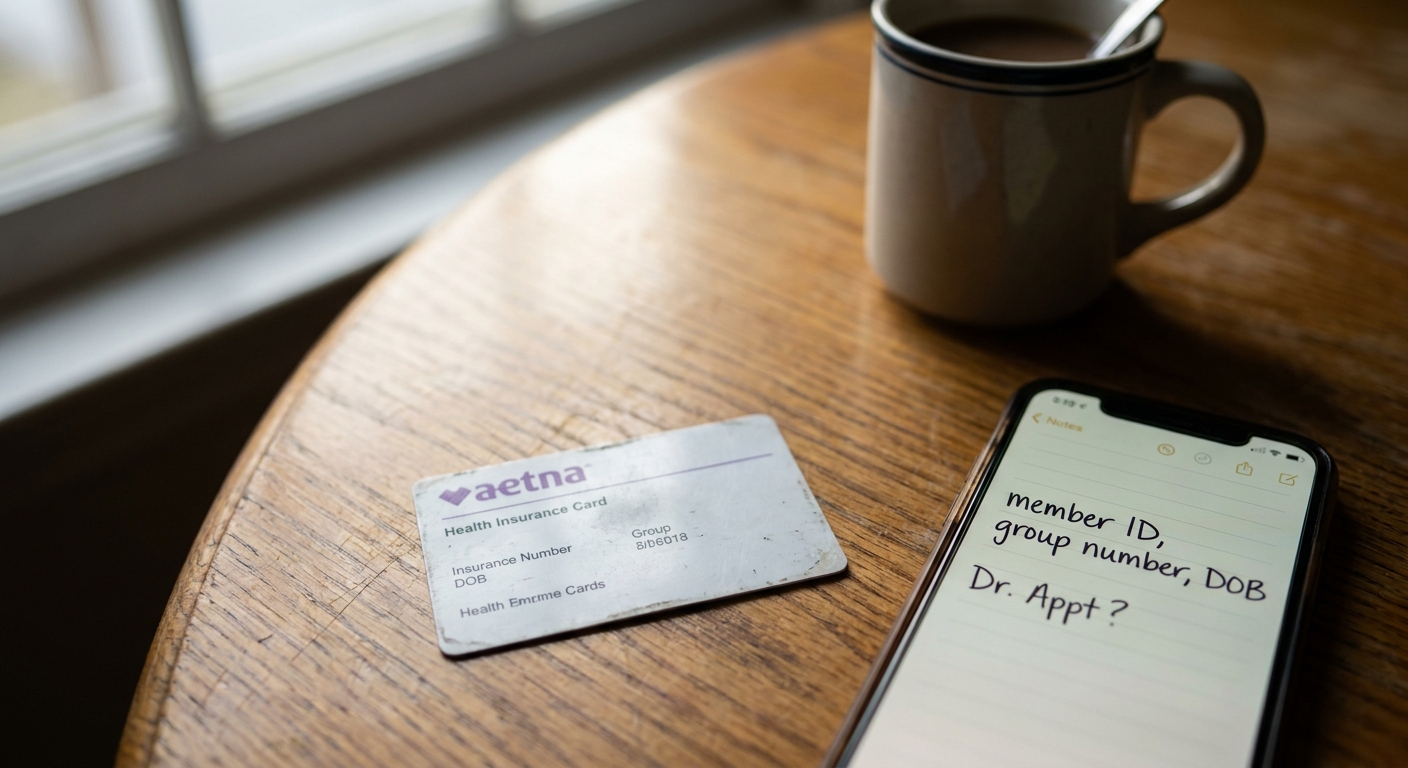
Call Rebound Support Group’s admissions line, or submit the online insurance verification form at reboundsupportgroup.com, to request a UnitedHealthcare benefits check. Ask for a callback with your documented coverage, deductible, coinsurance, and out-of-pocket estimate before you commit to treatment. Before you call, take a photo of the front and back of the UnitedHealthcare card, and have your partner’s date of birth and the policyholder’s name ready. Those three things are often all the team needs to start, and having them on hand turns a stressful phone call into a short one.
Find Out What Your UnitedHealthcare Plan Covers
If you’re uncertain whether your UnitedHealthcare policy will cover the mental health or substance use disorder treatment you need, you don’t have to figure it out alone. Rebound Support Group in Fullerton welcomes your call to verify your specific benefits and discuss how we can work with your plan to make care accessible.
Coverage for whole-person treatment depends on your specific insurance plan, and our team can help you verify your benefits before evidence-based care begins.